
 English
 Español
 Français
 한국어
한국어


An airless Cosmetic Bottle is designed to provide controlled dispensing while helping protect cosmetic formulas from unnecessary exposure to air, dust, and repeated contact. However, getting the best performance from an airless cosmetic bottle depends on correct filling, proper assembly, suitable formula compatibility, and correct daily use. Whether you are developing skincare, serum, cream, lotion, gel, or other Cosmetic Products, understanding how to fill and use an airless cosmetic bottle correctly can reduce dispensing problems and improve the overall packaging experience.
This guide explains the practical steps involved in using an airless cosmetic bottle, from preparation and filling to Pump activation, storage, cleaning, and quality inspection. BecaUse Airless Cosmetic Bottle structures can vary, the specific filling method should always follow the packaging supplier's technical instructions. Some airless cosmetic bottle models are intended for professional filling equipment, while others may be designed with different filling or refill structures.
What Is an Airless Cosmetic Bottle?
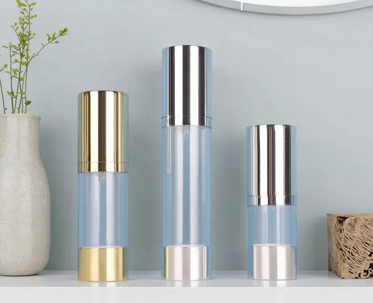
An airless cosmetic bottle is a packaging container that uses a mechanical dispensing structure rather than relying on a traditional dip tube. Inside the airless cosmetic bottle, a piston or similar moving component helps push the formula upward as the pump is activated. This structure allows the product to be dispensed in controlled amounts while limiting the need to introduce air into the container during normal use.
The main purpose of an airless cosmetic bottle is controlled and convenient product dispensing. Depending on the design, an airless cosmetic bottle can be used for facial creams, moisturizing lotions, serums, eye-care products, sunscreens, gels, and other personal-care formulations. The airless structure is especially useful when brands want clean application, accurate dosage, and a modern packaging appearance.
Although an airless cosmetic bottle can help reduce unnecessary air exposure, it should not be considered a substitute for proper formula preservation, hygienic production, or appropriate storage. The formula, filling process, packaging material, pump structure, and storage conditions all work together to determine final product performance.
Prepare the Airless Cosmetic Bottle Before Filling
Before filling an airless cosmetic bottle, the first step is to inspect the packaging carefully. Check the bottle body, piston, pump head, actuator, cap, and other components for visible damage. The airless cosmetic bottle should be clean, dry, and free from dust, particles, oil, or foreign materials.
For commercial cosmetic production, the airless cosmetic bottle should be handled in a controlled production environment. Filling equipment and contact surfaces should also meet the hygiene requirements of the product being manufactured. Manual handling should be minimized where appropriate because unnecessary contact can introduce contamination.
It is also important to confirm that the airless cosmetic bottle is compatible with the intended formula. Different cosmetic formulas can have different viscosities, densities, ingredients, and dispensing characteristics. A thick cream may require a different pump configuration from a lightweight serum. Before mass production, brands should conduct compatibility and dispensing tests using the actual formula.
Check the Airless Cosmetic Bottle Structure
Not every airless cosmetic bottle uses exactly the same internal structure. Some models use a piston system, while others use different mechanical configurations. The filling position and method can therefore vary between airless cosmetic bottle designs.
Do not assume that the pump should always be removed or that the internal piston can always be manually repositioned. Some airless cosmetic bottle models are assembled and filled using dedicated filling equipment. Others may have specific bottom-filling or top-filling requirements. Following the supplier's filling instructions is essential to avoid damaging the airless cosmetic bottle.
Before filling, confirm the Bottle Capacity, filling volume, pump dosage, component configuration, and filling method. This simple check can prevent common production problems such as overfilling, piston displacement, leakage, pump blockage, or incomplete dispensing.
How to Fill an Airless Cosmetic Bottle Correctly
The correct way to fill an airless cosmetic bottle depends on the exact bottle construction. For professional production, the filling process normally involves preparing the cosmetic formula, checking the packaging, controlling the filling quantity, assembling the dispensing components, and testing the finished airless cosmetic bottle.
1. Prepare the Cosmetic Formula
The formula should be fully prepared and mixed according to its manufacturing requirements before it enters the airless cosmetic bottle. Check its viscosity, temperature, consistency, and flow behavior. If the formula is too thick or too thin for the selected airless cosmetic bottle, the pump may not deliver the expected dosage.
Formula temperature can also affect filling performance. Some creams and emulsions become more fluid when warm and thicker when cool. If temperature changes significantly during production, the filling accuracy and dispensing behavior of the airless cosmetic bottle may change.
2. Confirm the Filling Volume
The nominal capacity of an airless cosmetic bottle should not automatically be treated as the exact amount of formula that can be filled under every production condition. Brands should follow the supplier's recommended filling volume and consider the internal structure of the airless cosmetic bottle.
Overfilling can interfere with internal movement and may create pressure problems during assembly. Underfilling can leave excessive unused space and affect the expected consumer experience. Accurate filling equipment is therefore important for consistent production.
3. Use the Recommended Filling Method
When filling an airless cosmetic bottle, use the method specified for the selected packaging structure. Professional filling equipment can help control filling speed, quantity, and repeatability. The filling nozzle should be positioned correctly to reduce splashing, excessive foaming, and unnecessary contamination.
For some airless cosmetic bottle designs, filling is performed from a specific opening before the pump assembly is installed. For other structures, the filling process may be different. The correct method is determined by the packaging construction rather than by a universal rule.
4. Install the Pump Correctly
After filling, the pump assembly should be installed according to the packaging manufacturer's instructions. The pump must be positioned correctly and securely. Improper assembly can cause loose components, leakage, inconsistent dispensing, or failure to prime.
The airless cosmetic bottle should then be inspected to confirm that the pump and cap are correctly aligned. If the packaging includes a locking mechanism, make sure it is released before testing the pump.
How to Activate an Airless Cosmetic Bottle
A new airless cosmetic bottle may not dispense product immediately after the first pump. This is not necessarily a defect. Depending on the internal structure, the airless cosmetic bottle may need several controlled pump presses before the formula reaches the dispensing outlet.
Place the airless cosmetic bottle upright and press the actuator gently and completely. Avoid pressing the pump at an angle or using excessive force. If product does not appear immediately, continue with several normal pump actions according to the supplier's instructions.
Once the airless cosmetic bottle is properly primed, the formula should normally dispense in a consistent manner. If the pump repeatedly fails to deliver product, check whether the bottle has been filled correctly, whether the formula viscosity is suitable, and whether the pump has been assembled properly.
How to Use an Airless Cosmetic Bottle Correctly
Using an airless cosmetic bottle is generally simple. Keep the bottle upright whenever practical and press the actuator with controlled pressure. Dispensing should be performed without shaking, squeezing, or aggressively tapping the container.
The amount dispensed by each pump depends on the pump specification. If the airless cosmetic bottle is designed with a specific dosage, users can control the amount of product by pressing the actuator fully or partially when the packaging design allows it.
Users should avoid inserting fingers, tools, or other objects into the dispensing opening. One of the advantages of an airless cosmetic bottle is that the formula can be dispensed without repeatedly reaching into an open jar. Keeping the outlet clean helps maintain a better user experience.
Why Correct Filling Matters
Correct filling has a direct effect on airless cosmetic bottle performance. If the formula is filled incorrectly, the piston may not move as expected, the pump may not prime properly, or the dispensing dosage may become inconsistent.
For cosmetic manufacturers, filling accuracy is also important for product cost control. A small filling variation across thousands of airless cosmetic bottle units can create significant differences in material consumption. Consistent filling therefore supports both product quality and production efficiency.
A properly filled airless cosmetic bottle should provide stable dispensing throughout its intended service life. Testing should not focus only on the first pump. Manufacturers should also evaluate the packaging after repeated dispensing cycles to understand whether the pump, piston, bottle body, and formula continue to work together correctly.
Airless Cosmetic Bottle Formula Compatibility
Formula compatibility is one of the most important considerations when selecting an airless cosmetic bottle. A packaging structure that works well with one formula may not produce the same result with another formula.
Viscosity is particularly important. Very thick formulas may require suitable pump channels and dispensing structures. Lightweight formulas may flow more easily, but the pump still needs to provide controlled dispensing. Ingredients can also interact differently with packaging materials and internal components.
Before placing a large order, brands should test the actual formula inside the actual airless cosmetic bottle. Compatibility testing should examine appearance, color, odor, viscosity, leakage, pump performance, dispensing consistency, and packaging condition over an appropriate test period.
Common Airless Cosmetic Bottle Filling Mistakes
Overfilling the Bottle
Overfilling an airless cosmetic bottle can interfere with the internal mechanism and make assembly more difficult. The recommended filling level should always be followed.
Using an Unsuitable Formula
A formula with unsuitable viscosity or flow characteristics can lead to poor dispensing. Always test the actual formula before mass production.
Forcing the Pump
If a new airless cosmetic bottle does not dispense immediately, repeatedly forcing the pump is not a good solution. Check the activation instructions and packaging structure first.
Ignoring the Pump Dosage
The pump dosage affects the amount delivered with each use. A cosmetic brand should select a dosage that matches the product's recommended application quantity and consumer usage habits.
Skipping Compatibility Testing
Even when an airless cosmetic bottle looks suitable, actual formula testing remains important. Packaging performance should be verified before large-scale filling.
How to Store an Airless Cosmetic Bottle
Proper storage can help maintain the condition of an airless cosmetic bottle. Keep filled bottles in a clean, dry environment and avoid unnecessary exposure to extreme temperatures. Direct sunlight and excessive heat may affect the formula even when the packaging itself remains intact.
During transportation, the airless cosmetic bottle should be protected against excessive impact, crushing, and unnecessary movement. Caps should remain properly installed, and finished products should be packed according to the bottle's shape and material.
For export orders, packaging design should also consider transportation distance, handling conditions, carton strength, palletization, and local climate. These details are especially important when large quantities of airless cosmetic Bottle Packaging are shipped internationally.
How to Clean an Airless Cosmetic Bottle
For consumers, an airless cosmetic bottle is generally intended to be used as supplied rather than repeatedly opened and washed. If the bottle is a single-use commercial package, attempting to disassemble the internal mechanism may damage the pump or compromise the packaging structure.
For refillable airless cosmetic bottle designs, cleaning and refilling must follow the manufacturer's instructions. Not every airless cosmetic bottle is designed to be opened, washed, sterilized, and reused. Brands should clearly identify whether their selected packaging supports refill applications.
The external surface can usually be kept clean with appropriate gentle handling. Avoid damaging printed areas, decorative finishes, pump components, or seals during cleaning and daily use.
Quality Testing for an Airless Cosmetic Bottle
A reliable airless cosmetic bottle should undergo appropriate quality checks before commercial use. Depending on the product and application, testing can include appearance inspection, dimensional inspection, capacity verification, pump dosage testing, leakage testing, assembly inspection, compatibility testing, and repeated dispensing tests.
For customized packaging, additional tests may be needed for color matching, silk-screen printing, hot stamping, electroplating, frosting, and other surface treatments. These finishes should remain stable during normal handling, transportation, filling, and consumer use.
Testing the complete packaging system is more useful than checking the empty airless cosmetic bottle alone. The bottle, pump, formula, decoration, closure, and filling process should work together as one finished product.
Choosing an Airless Cosmetic Bottle Manufacturer
Choosing the right manufacturer is an important step before purchasing an airless cosmetic bottle in bulk. A capable manufacturer should be able to provide clear product specifications, samples, customization support, mold development, pump options, surface finishing, production control, and quality inspection.
For OEM and ODM projects, the manufacturer should also understand drawings, samples, packaging dimensions, material requirements, color requirements, decoration specifications, and target production quantities. Good communication at the development stage can reduce unnecessary modifications after mold production.
Yuyao Dingyu Plastic Industry Co., Ltd. provides airless cosmetic bottle manufacturing and customized Cosmetic Packaging services from its factory in Yuyao, Ningbo, Zhejiang, China. The company has mold development workshops, injection molding equipment, testing instruments, and experience supporting OEM and ODM packaging projects.
For customized airless cosmetic bottle projects, Yuyao Dingyu can support new mold development, color matching, silk-screen printing, hot stamping, electroplating, frosting, pump matching, sampling, and mass production. This type of integrated manufacturing capability can make the transition from packaging concept to finished product more efficient.
Airless Cosmetic Bottle Filling Checklist
Before filling an airless cosmetic bottle, confirm that the bottle is clean, undamaged, and suitable for the intended formula. Check the bottle capacity, pump dosage, filling method, internal structure, formula viscosity, filling temperature, and assembly requirements.
During production, maintain consistent filling quantity and filling conditions. After assembly, inspect the pump, closure, bottle body, and decorative surface. Perform dispensing and leakage tests before releasing the finished airless cosmetic bottle for shipment.
For consumer use, keep the airless cosmetic bottle clean, press the pump normally, and avoid damaging the dispensing outlet. Store the product according to the formula's requirements and follow any specific instructions supplied with the packaging.
Final Thoughts on Using an Airless Cosmetic Bottle Correctly
Learning how to fill and use an airless cosmetic bottle correctly is important for both cosmetic manufacturers and end users. The right filling method helps protect dispensing performance, while suitable formula compatibility and careful assembly support stable product delivery. Correct daily use also helps consumers obtain consistent amounts of product without unnecessary contact with the formula.
The most important point is that there is no single filling method suitable for every airless cosmetic bottle. Bottle structure, piston design, pump configuration, formula viscosity, filling equipment, and intended application all need to be considered together. Following the manufacturer's technical instructions and conducting actual formula testing is the safest and most reliable approach.
For Cosmetic Brands developing customized packaging, working with an experienced airless cosmetic bottle manufacturer can simplify mold development, sampling, pump matching, decoration, testing, and mass production. With suitable packaging selection and controlled manufacturing, an airless cosmetic bottle can provide a practical combination of clean dispensing, controlled dosage, attractive appearance, and convenient everyday use.
SEO Description
Learn how to fill and use an airless cosmetic bottle correctly with practical guidance on preparation, filling methods, pump activation, dispensing, storage, cleaning, and handling. This guide explains common mistakes, proper usage steps, formula compatibility, and helpful tips to maintain smooth dispensing and reliable performance throughout the cosmetic bottle's service life.



 WhatsApp
 Telefon
 Mail
Mail Nachricht
Kommentar
(0)